



HUILAN

H DANS je L UN N G

chargement

copie1 ours1 hkstall-10 copie
Maison // Produits // PORTE-CLÉS JOUET // PORTE-CLÉS CLAVIER PATTE DE CHAT

Produits

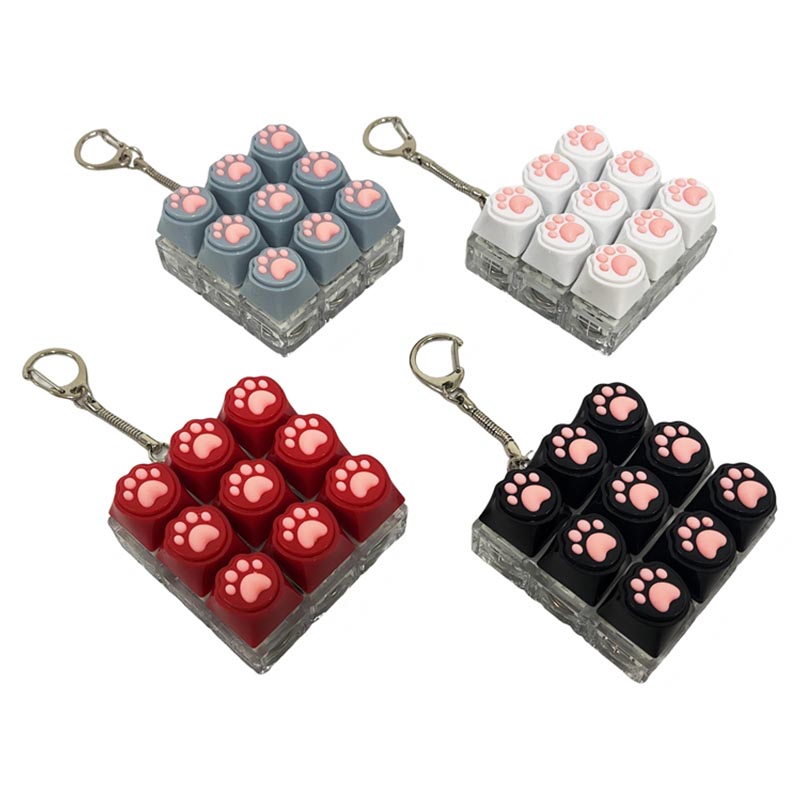
PORTE-CLÉS CLAVIER PATTE DE CHAT

Ce porte-clés clavier en forme de patte de chat arbore la forme d'une patte féline et présente un aspect très esthétique. Ce type de produit est devenu l'un de nos best-sellers ces derniers temps grâce à l'approvisionnement par agence.

Toucher net

design mignon

Très pratique

1 boîte en PVC transparent

12 pièces/sachet OPP

144 pièces/carton

2 types : avec ou sans lumière

- NOS PRODUITS

PRODUITS ASSOCIÉS

JOUET SQUISHY EN FORME DE PETIT BRIOCHE À LA VAPEUR
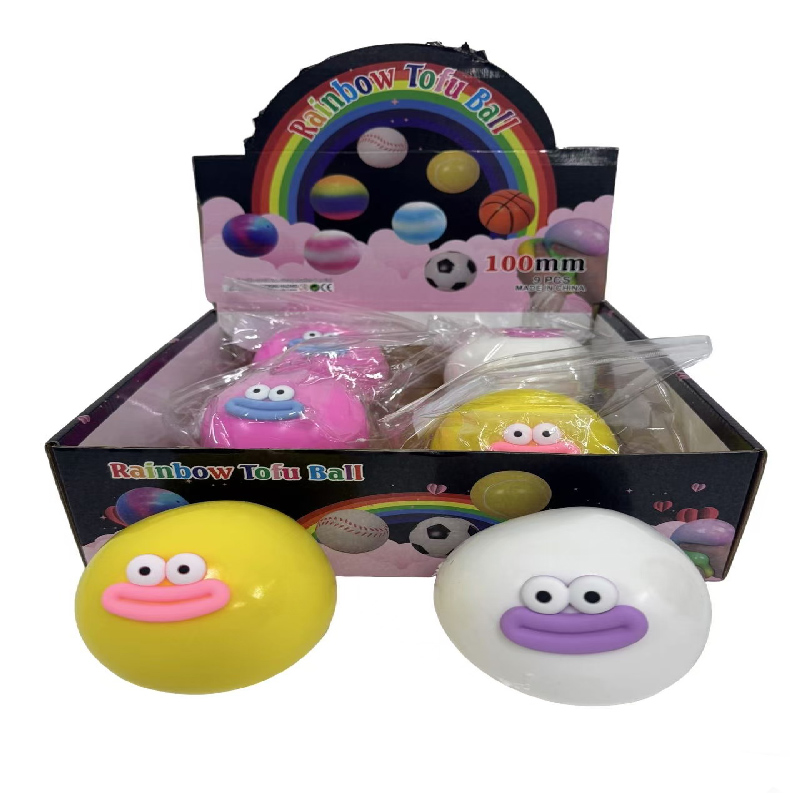
Ce jouet anti-stress en forme de petit pain vapeur est composé d'une matière fluide. Grâce à ce matériau, lorsqu'on le presse, on a l'impression d'être dans de l'eau. Ce produit attire toujours le regard.
JOUET SQUISHY AU BEURRE
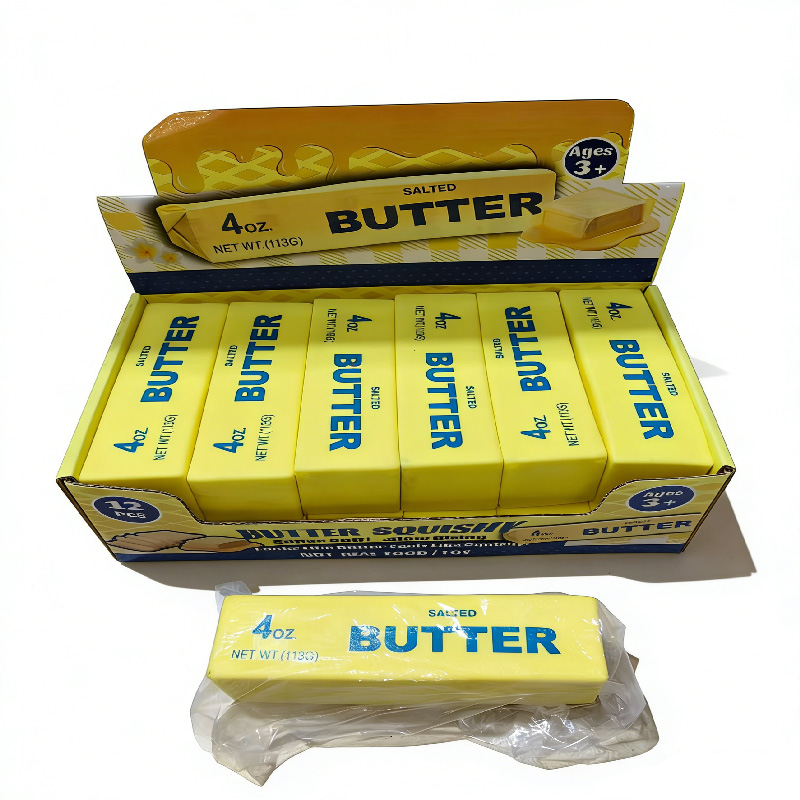
Ce jouet mou en forme de beurre ressemble beaucoup à du vrai beurre, tant par son apparence que par son odeur. Actuellement, la production de ce produit ne parvient même plus à suivre le rythme des ventes.
JOUET SQUISHY EN FORME DE PAIN
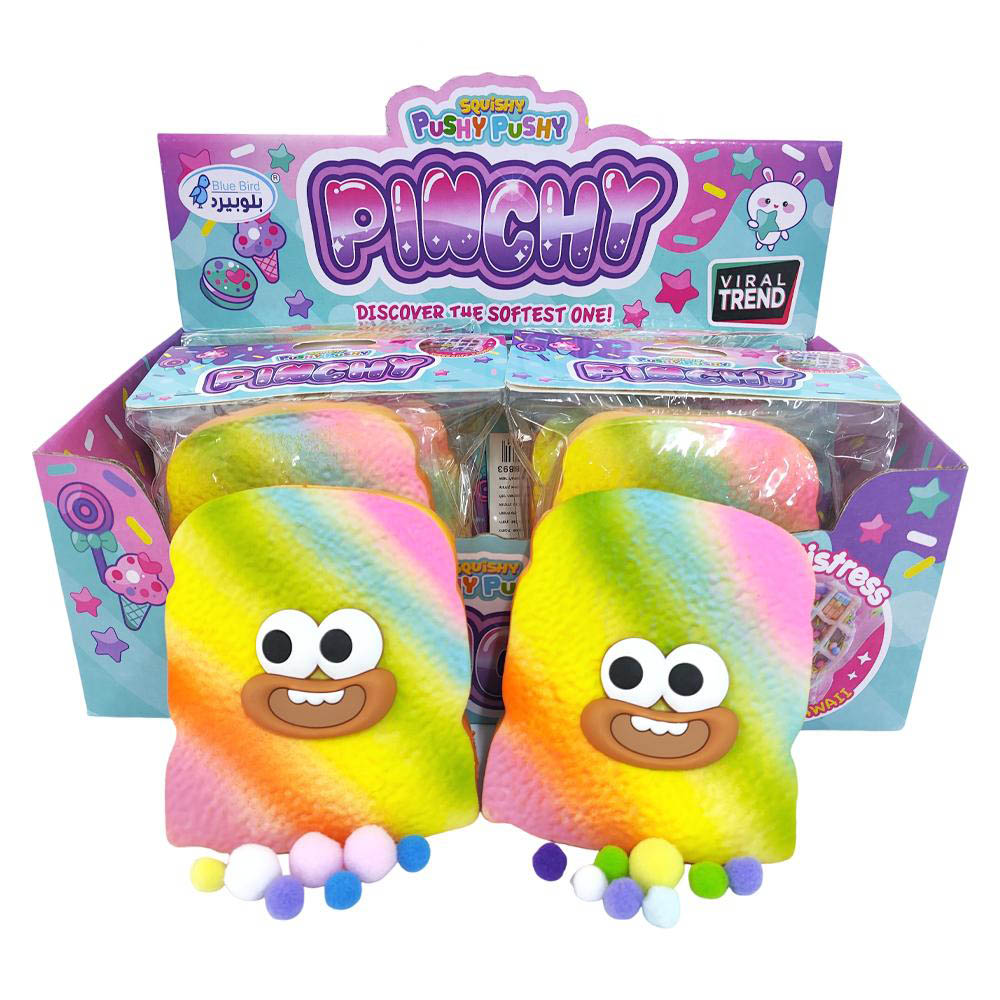
Ce joli jouet anti-stress en forme de pain est un jouet anti-stress typique. Grâce à son image adorable, il est devenu l'un des jouets anti-stress préférés des enfants.

récent
articles de blog

Private Label Toy Sourcing for Supermarket Chains

07
octobre
Putting a supermarket’s name on a toy range changes the buying question. The product must fit the shelf, the selling price and the promise customers associate with that name. A successful first range therefore needs a sensible level of customisation, not the largest number of changes. The aim is to create a recognisable offer that the buying team can approve, replenish and manage across stores. The shelf role behind the private label The range needs a clear job in the supermarket. Decide whether it is an everyday value offer, a seasonal feature or a small gift selection. That decision should guide the available shelf space, pack format and target selling price before the team starts choosing colours and logos. A limited launch can make the commercial question easier to answer. Consider a few clearly differentiated items with a shared presentation, then assess whether each contributes something useful. Avoid adding another variant solely because it can carry the same label. Ask what the shopper would understand from the complete shelf. China-side coordination is useful when that retail idea must become a consistent supplier brief. HUILANG supports toy sourcing and customisation, with product-specific options such as customised stickers and selected size changes. Its role should be agreed around the changes required for the range, rather than an assumed promise of unlimited development. How much customisation does the range need Customisation should solve a specific retail problem. A branded sticker may identify the range adequately; a different unit pack may be needed to explain the contents. A product change needs a stronger reason, such as a defined fit or use requirement that the existing item cannot satisfy. Branding an existing item Existing products are worth reviewing when the intended play experience already suits the range. Explore custom toy sourcing options for supermarket ranges and ask which branding or packing changes are available for the exact selection. Keep the unchanged product identifiable throughout sample review and ordering. An existing design does not automatically become exclusive because it carries a private label. Confirm any proposed exclusivity, artwork ownership and permitted use in the commercial agreement. Use original or properly authorised artwork, and do not assume a supplier can grant rights to every design it offers. Changing the product itself A product modification should have a written purpose and a sample approval point. HUILANG can discuss customised sizes for selected wooden DIY toys, for example. That capability applies to the relevant product; it does not establish that every toy can be redesigned to any size or specification. The comparison below can help the buyer select a development route. It is a decision framework, not a promise that all options are available for every item. Proposed change Useful when Question before approval Branded sticker Existing product and pack suit the shelf Where can the label be applied? Revised unit pack Contents or range identity need clearer presentation What sample and artwork approval are required? Product colour or size A specific retail requirement is unmet Can this exact item support the change? New product design Existing options cannot serve the concept What development, rights and testing work is needed? Packaging as part of the buying decision The pack should help a customer understand the product quickly. Review the visible contents, product name, intended use and required information together. Ask the retail team to assess the proposed pack at its intended shelf position, rather than approving only an enlarged artwork image on a screen. Pack size should be assessed alongside store handling. Consider how the item will stand, hang or sit in a display, how staff will replenish it and how much space a carton delivery will occupy. Ask the supplier for the actual proposed pack and carton details before confirming the store allocation. Product-specific options can make the discussion concrete. HUILANG offers paper-box packing for wooden DIY toys and optional individual OPP bags for plush toys. Use those as starting points for the relevant items, then confirm whether the proposed private-label presentation needs a different arrangement. The approval group should be small enough to make decisions clearly. Assign responsibility for the following areas and keep comments in one controlled version: Buying team: range role, quantities and target commercial position. Brand team: approved name, artwork and presentation. Compliance owner: product information and destination requirements. Supplier coordinator: feasibility, sample status and production changes. The first order as a controlled retail trial The first order should test the range’s role without leaving the specification open. Decide which stores or channels will receive it and how the buying team will review the outcome. Give each variant a clear identity so sales and customer feedback can be connected to the item actually supplied. Stock-order terms should not be borrowed for private-label production. HUILANG has no minimum order quantity requirement where goods are available in stock. A custom label, pack or product version needs its own quantity, cost and timing confirmation, even when the underlying toy is already familiar. A sourcing partner earns its place by resolving those practical differences. A China sourcing company specialising in toys should be able to explain what is standard, what must change and what still needs confirmation. Assess the clarity of that discussion before expanding the development brief. Keeping the approved range consistent The final sample should bring the product and packaging together. Approve the actual combination intended for production, and retain its item identity and revision date. If only the sticker is changing, make that boundary clear so other features are not altered without review. Inspection should compare production with that approved combination. HUILANG offers quality-control and carton-packing support. Confirm which features will be checked and how exceptions will be reported, especially where several suppliers contribute to a range carrying one supermarket identity. An agreed change process is particularly useful for repeat orders. Ask the supplier to flag changes in the item, materials, artwork or packing before substitution. A replenishment order should refer to the approved version, with any proposed difference reviewed by the responsible buyer. The scope of Yiwu agent service for private-label coordination should match the supermarket’s available resources. Decide who gathers supplier answers, who approves samples and who gives final instructions. A named coordinator helps, but brand and buying decisions still need a clear owner within the retail team. A range the buyer can confidently repeat A practical private-label programme starts with a shelf role and chooses only the customisation needed to support it. Approve product and packaging together, confirm the terms for that exact version and preserve the reference for reorders. Expand after the retail trial gives the team a reason to do so. To explore a focused first range, contact HUILANG with the intended shelf role and proposed branding changes so HUILANG can discuss suitable sourcing and customisation options. FAQ Can supermarkets private-label existing toys? Yes, where the supplier supports the requested branding or packaging arrangement and the necessary rights and compliance requirements are satisfied. Confirm the exact changes for each item. HUILANG offers customised stickers and other product-specific customisation options. Does private label mean exclusive product ownership? No. Keep branding rights, product design rights and exclusivity separate in the agreement. A labelled version of an existing toy should not be described as an exclusive design unless that arrangement has been expressly established. Is a low stock MOQ available for custom orders? Do not assume it is. Confirm minimum quantities and charges for the requested custom version. HUILANG’s no-minimum-order statement applies to available stock; it does not define the terms for new packaging or modified products. What should be approved before production? Approve the exact product version, finished artwork and intended pack together. Record the authorised quantities and any accepted variations. Confirm which sample is the reference and who can approve a later change. How should a supermarket prepare for reorders? Keep the approved item codes, samples, artwork versions and packing details linked to the range. Request confirmation that the repeat supply matches them. Review proposed substitutions before placing the replenishment order rather than discovering changes at receiving.

Affordable Toy Sourcing for African Wholesale Markets

01
octobre
The lowest toy quotation can be the wrong starting point for an affordable wholesale range. A buyer still needs room for freight, import charges, distribution and a selling margin at a price local shops can support. For an African market, the useful question is country-specific: which assortment can reach the intended sales channel at a workable total cost and in a condition customers will accept? Affordability begins in the destination market A workable budget starts with the intended customer and selling price. Separate a neighbourhood shop assortment from a supermarket promotion or specialist toy range. Ask the local sales team which price points and pack sizes it can support, using actual channel experience rather than a continent-wide bestseller list. The destination country belongs in the buying brief from the outset. A landed-cost comparison for Kenya should not be reused unchanged for another country. Have the local broker confirm the relevant classification, charges and procedures for the selected goods before treating a supplier quotation as a viable buying cost. China-side sourcing then has a clear problem to solve: find suitable options within that budget. HUILANG works with more than 500 stable suppliers in Yiwu and offers sourcing across multiple toy categories. That breadth is useful for comparing possible assortments, without claiming that every item is appropriate for every African market. Comparing offers at the same commercial level A price comparison needs the same product and packing assumptions. Match the item, quantity, unit pack and quoted delivery terms before judging which offer is cheaper. Identify any cost that sits outside the quotation so the purchasing team can add it consistently. Unit price and total landed cost An indicative landed-cost estimate should include the quoted goods cost plus the applicable transport, handling, import and local delivery charges. Ask the broker how taxes and recoverable amounts should be treated in the decision. Avoid assigning one generic duty percentage to toys of different classifications or destinations. The toy wholesale assortment for value-led ranges is a starting point for product comparisons, not a price guarantee. Build the estimate around shortlisted items and confirmed quantities. Keep the same costing date and assumptions when comparing offers, particularly if freight or currency quotations have changed. Packing and saleable quantities Packing should be evaluated for both protection and the intended sales channel. Confirm the number of sale units, inner packs and pieces per carton. A carton price is difficult to compare fairly if one offer contains a different quantity or packaging arrangement. Saleable quantity is the useful denominator for the buying decision. Divide the estimated total cost by the units expected to be available for sale, using a clearly stated planning assumption for any losses. Do not present an assumed damage allowance as HUILANG’s historical performance or as a guaranteed defect rate. Cost question Input to confirm Why it changes the comparison What is being purchased? Item, quantity and pack version Defines comparable offers What does the price include? Quoted delivery terms and exclusions Identifies additional costs What will transport cost? Actual carton dimensions and weight Supports a shipment quotation What applies at destination? Broker-confirmed classification and charges Establishes the local estimate How many units can be sold? Sale-unit count and planning assumptions Gives a useful unit cost An assortment with a clear price ladder A compact price ladder helps the wholesaler give local shops a purposeful choice. Consider an entry-price item, a somewhat higher-value option and a small number of differentiated additions. The exact mix should follow the channel’s budget and customer response, rather than filling every available toy category. Compare those formats for the relevant items without treating one product’s packing as the standard for the whole order. Simple presentation should still communicate the product clearly. Check that the customer can identify what is included and that required information has a place on the agreed pack. Reducing decorative packaging is a commercial choice to evaluate; removing necessary protection or information is not a sound way to reach the price target. The shortlist should be small enough to investigate properly: Match each item to a defined selling-price band. Confirm the exact pack and sale quantity. Review a representative sample before approving the range. Remove near-duplicate variants that serve no clear channel need. The value of an agent in the comparison A local agent is useful when quotation differences need to be resolved with suppliers. HUILANG provides English-language support and can source from pictures, videos and descriptions when the buyer is outside China. Those services help turn a broad product request into options the buyer can examine more closely. An experienced Yiwu buying agent should help the buyer understand why the offers differ. Ask whether a lower price reflects another product version, a changed pack or different terms. Judge the response by the clarity of the comparison, rather than accepting an unexplained claim of savings. Agency cost belongs in the calculation as well. Request the charging basis, service scope and any separately billed work before confirming the order. Testing demand without an oversized commitment An initial order should give the wholesaler useful information about the intended channel. Set quantities by item and record which stores receive them, then review sell-through, feedback and replenishment requests. Treat those observations as the basis for the next assortment rather than assuming the first selection is already proven. Available stock may support a more flexible trial. HUILANG has no minimum order quantity requirement for goods in stock. Confirm the actual stock and packing available, and compare total shipment cost before selecting quantities; a small goods order still needs a complete transport and destination-cost estimate. Quality support should remain proportionate to the order’s purpose. The China purchasing agent services for toy orders provided by HUILANG include inspection and carton-packing support. Agree which sample, quantities and packing details will guide the checks before the trial order is released. A value range with room to grow An affordable assortment works when the destination price, landed cost and product choice fit together. Compare equivalent offers, test a focused range and keep the quality expectations clear. Expand the items that earn a repeat order in the actual channel instead of buying more simply to secure a lower quoted unit price. For a country-specific value range, contact us with your sales channel and target price bands so HUILANG can discuss suitable toys and sourcing support. FAQ Which toys are cheapest to import into Africa? There is no single answer across countries and channels. Compare the exact item, packing, transport and destination charges against the intended selling price. A low factory quotation alone does not establish the lowest landed cost or the most suitable range. Should a wholesaler buy more to lower the unit price? Only when the extra quantity fits demand and the total commercial calculation. Compare the price change with the additional stock commitment, shipping requirements and available cash. Use actual channel results to support a larger repeat order. Can an agent source toys without a buyer visiting China? Yes. HUILANG supports remote sourcing using product pictures, videos and descriptions. Add the destination, quantities and preferred pack to those references so the proposed options answer the intended wholesale need. Are import requirements the same across African countries? No. Confirm the rules and charges for the destination with the appropriate local specialist. Establish the requirements for the specific product before dispatch, rather than copying the documents or cost assumptions from a different market. What should a trial order help the buyer learn? Use it to compare demand by item and price band, assess customer feedback and identify sensible replenishment quantities. Keep the product version and pack recorded so a repeat order can be compared with the goods that generated those results.

Why Supermarkets Use Experienced Toy Sourcing Agents

24
septembre
Supermarket toy buying is rarely about one perfect item. The harder task is building a balanced assortment across price points, play patterns, seasons, and shelf space while keeping supplier communication and shipment details manageable. Experienced sourcing agents help buyers coordinate that complexity from one local working process. The supermarket problem is assortment coordination A supermarket may need several toy categories in one buying cycle: small impulse items, family-play products, educational toys, plush products, sports items, and trend-led novelties. Each category can involve different suppliers, materials, packaging, and production conditions. Buying each item through a separate contact creates extra work. Product questions are repeated, packing information is scattered, quality checks may follow different standards, and the final shipment can become difficult to consolidate. The challenge is operational as much as commercial. For toy wholesale planning, Yiwu market sourcing can be useful when the buyer needs several categories in one project. A Yiwu buying agent should then show how the assortment will be searched, compared, checked, packed, and scheduled rather than simply forwarding a long list. An experienced agent can make the assortment easier to manage by using local market access and a single coordination path. HUILANG focuses on trendy new toys and works with more than 500 stable suppliers in Yiwu Market, giving supermarket buyers a wider starting point for mixed sourcing. What an experienced middleman adds to a mixed order A wider first shortlist A broad network allows the buyer to compare a range instead of overcommitting to the first supplier who responds. HUILANG can access more than 4,000 toy varieties across categories such as ball toys, plastic toys, plush toys, sports balls, squishy toys, and wooden toys. One language and decision bridge Supermarket buyers need consistent information across many SKUs. A local English-speaking team can translate product requirements, compare supplier replies, identify missing data, and keep the commercial discussion understandable for the overseas buying team. A common quality and packing rhythm Mixed orders become easier to receive when inspection points and packing records follow a clear rhythm. The buyer can compare product condition, unit counts, carton information, and open issues without rebuilding the process for every supplier. A practical way to manage changes Assortments change as buyers see samples, review price, or respond to seasonal demand. An agent can help record substitutions, packaging changes, quantity adjustments, and timing effects before they become shipment surprises. A mixed-order workflow that buyers can actually use The most effective mixed-order workflow is simple enough to repeat. It starts with the assortment brief and ends with a shipment plan that connects every SKU to its supplier, packing, inspection, and timing status. Group products by retail purpose as well as by category. Keep each SKU’s supplier, packing, and status visible. Decide early which items need custom labels or packaging. Review delivery dependencies before promising a shelf date. Why local market guidance protects shelf planning Shelf planning can fail when the product looks attractive but the supply details are unclear. A toy may need a different carton format, a revised quantity, or extra sample approval before it can join the rest of the order. Local guidance helps the buyer understand those effects while there is still time to adjust the assortment. HUILANG’s service approach includes quality inspection, carton packing, delivery planning, and customization support. These are not separate promises to stack onto a sales pitch. They are the operating links that help a supermarket buyer move from a broad assortment idea to a shipment that can be received and sold. A buyer can review the Yiwu mixed toy sourcing service when assessing whether the agent can support the planned range and delivery window. The important question is how the service connects to your actual assortment. The product search can also be paired with toy wholesale assortment planning and Yiwu buying agent support when the supermarket needs one coordinated buying path. The same structure also helps when a buyer removes a product late in the process. A clear SKU record shows whether the change affects carton balance, inspection timing, or the planned shipment, so one assortment decision does not quietly disrupt the rest of the order. The value is control without losing variety Supermarkets use experienced toy sourcing agents because they want variety without creating a separate project for every product. The agent’s value is not simply acting as a middle layer. It is making a wide product search manageable through one set of questions, records, inspections, and delivery decisions. HUILANG has more than 200 stable customers around the world and more than 15 years of export experience in markets including the United States, Europe, and the Middle East. For a supermarket buyer, that background is useful when the order needs both local market reach and export coordination. The practical takeaway An experienced toy sourcing agent helps supermarkets coordinate variety, not merely find products. The strongest process connects assortment planning with supplier comparison, common quality checks, packing records, customization decisions, and delivery timing so the buyer can protect shelf plans without giving up product breadth. Planning a mixed supermarket assortment? Contact HUILANG with your categories, target price bands, quantity, and selling calendar so the sourcing path can match the range. FAQ Can one sourcing agent manage several toy categories? A broad Yiwu sourcing network can support several categories, but each product still needs its own product, packing, quality, and timing confirmation. Why do supermarkets use sourcing agents instead of contacting every supplier? A sourcing agent can reduce repeated communication, compare options locally, coordinate inspections, and keep mixed-order information in one working process. How can a mixed toy order be kept organized? Use a SKU-level record that includes supplier, product version, quantity, packing, customization, inspection status, and delivery dependency. Can a sourcing agent help with seasonal assortment planning? Yes. The agent can help search trend-led products and connect the assortment brief to sample timing, customization, packing, and delivery planning. Does a larger supplier network always mean better sourcing? Network size is useful only when the agent can narrow options with relevant reasons, clear evidence, and consistent follow-up. Breadth must be combined with organization.

Wooden DIY Toys for Wholesale:Quality and Safety Checks

17
septembre
For an overseas importer, buying wooden DIY toys from China is not simply a matter of finding a product image and asking for a price. The buyer must reach the right suppliers, compare different versions, coordinate samples, verify packaging, and keep quality requirements clear across the order. That is where a professional toy buying agent creates value: by executing the sourcing work locally on the buyer’s behalf. Why overseas buyers use a China toy buying agent A China toy buying agent gives overseas buyers local execution that is difficult to manage remotely. A buyer may know the target style and market, but still need help identifying which supplier can make the item, which quotation refers to the same specification, and which factory can handle the required packaging or customization. The main benefit is coordinated access, not a replacement for the buyer’s decision. HUILANG helps buyers search the Yiwu market, communicate with suppliers, arrange samples, compare options, and follow the order through inspection and packing. The importer still approves the product and market requirements, while the agent turns those requirements into actions with local suppliers. For buyers who need wooden toy sourcing support in Yiwu or custom toy sourcing, the right partner should explain what it will search, verify, and return before production. The buying brief we build before supplier search Product requirements A useful buying brief defines the play activity before it defines the decoration. A wooden DIY toy may involve assembling, coloring, or demonstrating a simple working principle, so the brief should state the intended age, skill level, piece count, finished size, and whether adult supervision is expected. The wooden DIY product information available to HUILANG identifies raw wood material, customized sizing, paper-box packing, and a 6+ age standard for this type of small DIY toy. Those details become search and comparison criteria, rather than assumptions that every supplier can meet automatically. Commercial and packing requirements The brief should also describe the target market, estimated quantity, packaging preference, sticker or artwork needs, acceptable alternatives, inspection expectations, and required delivery window. This allows the agent to ask consistent questions and prevents suppliers from quoting different products under the same general name. How a buying agent checks suppliers and samples Supplier selection starts with product fit, not a large directory. HUILANG can use its Yiwu supplier network to look for sources that match the requested activity, material, age grade, packaging, and customization needs, then narrow the options into a comparison the buyer can actually review. When a buyer needs to compare wooden toy suppliers in Yiwu, the comparison should show whether each offer uses the same piece count, surface treatment, box configuration, sample status, and production assumption. A lower unit price is not useful if the quoted version has fewer parts or a different pack. The buyer should also confirm: the sample matches the requested activity and age grade; the quoted packing matches the approved presentation; and inspection and change handling are included in the working plan. Sample coordination is the point where the buyer’s brief becomes a physical product. The agent can request samples, clarify changes, record the approved version, and send focused questions back to the supplier. This reduces the risk that a supplier begins production from an image or message that was never fully agreed. The buyer should review the sample against the intended use. Check the assembly sequence, part completeness, edge smoothness, visible glue, cracks, surface consistency, odor, and the clarity of the instructions or box artwork. HUILANG’s role is to organize these checks and follow up locally; the buyer remains the final approver. How the agent coordinates quality and packaging A sourcing agent becomes especially useful when quality, packaging, and supplier communication must move together. The order should not be treated as ready because one sample looks acceptable; the approved product, inspection points, carton plan, and market information must describe the same version. Buyer requirement What HUILANG coordinates Evidence before release Product scope Find comparable wooden DIY options and confirm the intended activity Reference image, age grade, size, piece count Supplier fit Compare supplier responses and identify the right production source Sample status, material description, production notes Quality Arrange sample review and inspection checkpoints Surface, parts, function, defects, corrective actions Packaging Coordinate box, sticker, carton, and protection details Approved artwork, packing method, carton marks Market readiness Collect the product information needed for buyer confirmation Warnings, documents, test scope, final version If the supplier changes the wood, coating, parts, artwork, or carton configuration, the agent should make the change visible and ask whether the buyer approves it. This is practical purchasing control: it keeps a small change from quietly becoming a different product. What HUILANG does as a toy buying agent HUILANG is a foreign-trade agency focused on toy import and export, not a single toy factory presenting one fixed product line. The company was founded in 2011 and works with more than 500 stable suppliers in Yiwu, giving overseas buyers access to more than 4,000 toy varieties that can be searched and compared against their briefs. The company’s value is the system around the search. HUILANG supports supplier communication, product comparison, sample coordination, inspection, carton packing, delivery planning, and customization follow-up. It also serves more than 200 stable customers worldwide and has export experience with the United States, Europe, and the Middle East. For an importer evaluating China toy buying agent services or a toy supplier in Yiwu, the practical question is whether the agent can keep the buyer’s requirements, supplier responses, approved samples, and release decisions connected throughout the order. The practical handoff for importers The most reliable way to buy wooden DIY toys wholesale is to treat the agent as the buyer’s local purchasing operator. The buyer defines the market and commercial goal; HUILANG searches and coordinates in China; suppliers provide samples and production; and the buyer approves the final version against clear evidence. For a new project, send your wooden DIY toy brief with the target market, age grade, reference style, estimated quantity, packaging needs, customization status, and inspection expectations. HUILANG can then organize the sourcing discussion around the products and decisions that matter to your order. FAQ Why do overseas buyers need a toy buying agent in China? A buying agent provides local supplier search, communication, sample coordination, comparison, inspection follow-up, packing coordination, and order support. This is useful when the buyer is not in China or cannot manage several suppliers directly. Is HUILANG the toy manufacturer or the buying agent? HUILANG is a foreign-trade agency focused on toy import and export. It works with suppliers in Yiwu and helps overseas buyers find, compare, sample, inspect, pack, customize, and coordinate toy orders. What should I send to a toy buying agent before the search begins? Share the target market, product reference, intended age, play activity, quantity, packaging needs, customization requirements, quality expectations, and delivery window. Clear inputs help the agent return more comparable supplier options. Can a buying agent coordinate wooden DIY toy customization? Yes, the agent can communicate size, artwork, stickers, packaging, and sample requirements to suitable suppliers. Any change that affects the product version should be confirmed through an updated sample or written approval. Who approves the final wooden DIY toy? The importer or buyer should approve the final product, packaging, market information, and release decision. The buying agent coordinates local execution and provides organized supplier and inspection information for that approval.

Envoyez-nous un message gratuit


    Produits
    Contacts
    WhatsApp
    E-mail