






7th octobre 2026
Private Label Toy Sourcing for Supermarket Chains
-
 auteur
Putting a supermarket’s name on a toy range changes the buying question. The product must fit the shelf, the selling price and the promise customers associate with that name. A successful first range therefore needs a sensible level of customisation, not the largest number of changes.
The aim is to create a recognisable offer that the buying team can approve, replenish and manage across stores.
The shelf role behind the private label
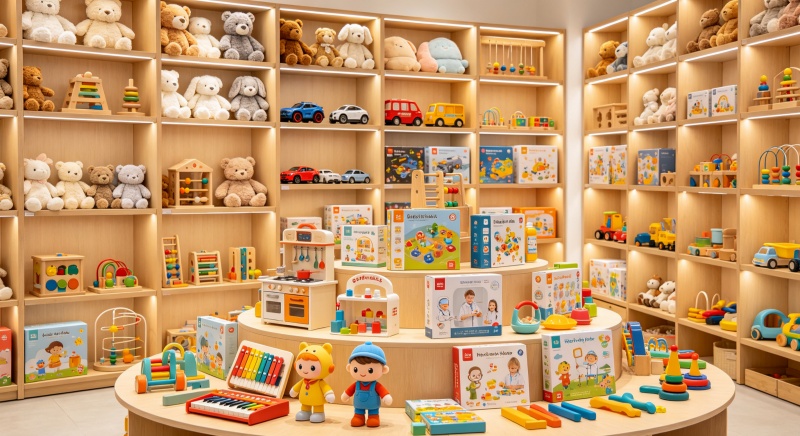
The range needs a clear job in the supermarket. Decide whether it is an everyday value offer, a seasonal feature or a small gift selection. That decision should guide the available shelf space, pack format and target selling price before the team starts choosing colours and logos.
A limited launch can make the commercial question easier to answer. Consider a few clearly differentiated items with a shared presentation, then assess whether each contributes something useful. Avoid adding another variant solely because it can carry the same label.
Ask what the shopper would understand from the complete shelf.
China-side coordination is useful when that retail idea must become a consistent supplier brief. HUILANG supports toy sourcing and customisation, with product-specific options such as customised stickers and selected size changes.
Its role should be agreed around the changes required for the range, rather than an assumed promise of unlimited development.
How much customisation does the range need
Customisation should solve a specific retail problem. A branded sticker may identify the range adequately; a different unit pack may be needed to explain the contents. A product change needs a stronger reason, such as a defined fit or use requirement that the existing item cannot satisfy.
Branding an existing item
Existing products are worth reviewing when the intended play experience already suits the range. Explore custom toy sourcing options for supermarket ranges and ask which branding or packing changes are available for the exact selection. Keep the unchanged product identifiable throughout sample review and ordering.
An existing design does not automatically become exclusive because it carries a private label. Confirm any proposed exclusivity, artwork ownership and permitted use in the commercial agreement. Use original or properly authorised artwork, and do not assume a supplier can grant rights to every design it offers.
Changing the product itself
A product modification should have a written purpose and a sample approval point. HUILANG can discuss customised sizes for selected wooden DIY toys, for example. That capability applies to the relevant product; it does not establish that every toy can be redesigned to any size or specification.
The comparison below can help the buyer select a development route. It is a decision framework, not a promise that all options are available for every item.
| Proposed change | Useful when | Question before approval |
| Branded sticker | Existing product and pack suit the shelf | Where can the label be applied? |
| Revised unit pack | Contents or range identity need clearer presentation | What sample and artwork approval are required? |
| Product colour or size | A specific retail requirement is unmet | Can this exact item support the change? |
| New product design | Existing options cannot serve the concept | What development, rights and testing work is needed? |
Packaging as part of the buying decision
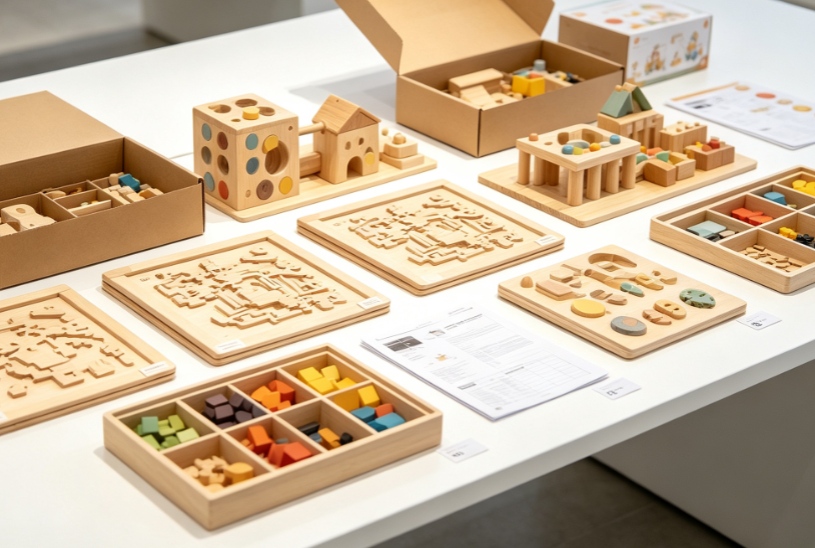
The pack should help a customer understand the product quickly. Review the visible contents, product name, intended use and required information together. Ask the retail team to assess the proposed pack at its intended shelf position, rather than approving only an enlarged artwork image on a screen.
Pack size should be assessed alongside store handling. Consider how the item will stand, hang or sit in a display, how staff will replenish it and how much space a carton delivery will occupy.
Ask the supplier for the actual proposed pack and carton details before confirming the store allocation.
Product-specific options can make the discussion concrete. HUILANG offers paper-box packing for wooden DIY toys and optional individual OPP bags for plush toys. Use those as starting points for the relevant items, then confirm whether the proposed private-label presentation needs a different arrangement.
The approval group should be small enough to make decisions clearly. Assign responsibility for the following areas and keep comments in one controlled version:
- Buying team: range role, quantities and target commercial position.
- Brand team: approved name, artwork and presentation.
- Compliance owner: product information and destination requirements.
- Supplier coordinator: feasibility, sample status and production changes.
The first order as a controlled retail trial
The first order should test the range’s role without leaving the specification open. Decide which stores or channels will receive it and how the buying team will review the outcome.
Give each variant a clear identity so sales and customer feedback can be connected to the item actually supplied.
Stock-order terms should not be borrowed for private-label production. HUILANG has no minimum order quantity requirement where goods are available in stock. A custom label, pack or product version needs its own quantity, cost and timing confirmation, even when the underlying toy is already familiar.
A sourcing partner earns its place by resolving those practical differences. A China sourcing company specialising in toys should be able to explain what is standard, what must change and what still needs confirmation. Assess the clarity of that discussion before expanding the development brief.
Keeping the approved range consistent
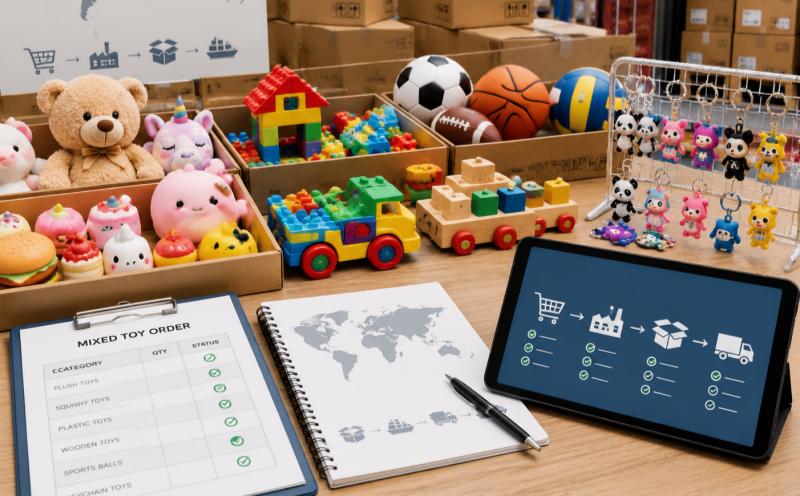
The final sample should bring the product and packaging together. Approve the actual combination intended for production, and retain its item identity and revision date. If only the sticker is changing, make that boundary clear so other features are not altered without review.
Inspection should compare production with that approved combination. HUILANG offers quality-control and carton-packing support. Confirm which features will be checked and how exceptions will be reported, especially where several suppliers contribute to a range carrying one supermarket identity.
An agreed change process is particularly useful for repeat orders. Ask the supplier to flag changes in the item, materials, artwork or packing before substitution. A replenishment order should refer to the approved version, with any proposed difference reviewed by the responsible buyer.
The scope of Yiwu agent service for private-label coordination should match the supermarket’s available resources. Decide who gathers supplier answers, who approves samples and who gives final instructions. A named coordinator helps, but brand and buying decisions still need a clear owner within the retail team.
A range the buyer can confidently repeat
A practical private-label programme starts with a shelf role and chooses only the customisation needed to support it. Approve product and packaging together, confirm the terms for that exact version and preserve the reference for reorders.
Expand after the retail trial gives the team a reason to do so.
To explore a focused first range, contact HUILANG with the intended shelf role and proposed branding changes so HUILANG can discuss suitable sourcing and customisation options.
FAQ
Can supermarkets private-label existing toys?
Yes, where the supplier supports the requested branding or packaging arrangement and the necessary rights and compliance requirements are satisfied. Confirm the exact changes for each item. HUILANG offers customised stickers and other product-specific customisation options.
Does private label mean exclusive product ownership?
No. Keep branding rights, product design rights and exclusivity separate in the agreement. A labelled version of an existing toy should not be described as an exclusive design unless that arrangement has been expressly established.
Is a low stock MOQ available for custom orders?
Do not assume it is. Confirm minimum quantities and charges for the requested custom version. HUILANG’s no-minimum-order statement applies to available stock; it does not define the terms for new packaging or modified products.
What should be approved before production?
Approve the exact product version, finished artwork and intended pack together. Record the authorised quantities and any accepted variations. Confirm which sample is the reference and who can approve a later change.
How should a supermarket prepare for reorders?
Keep the approved item codes, samples, artwork versions and packing details linked to the range. Request confirmation that the repeat supply matches them. Review proposed substitutions before placing the replenishment order rather than discovering changes at receiving.






Laisser un commentaire